
Private Car Annual Inspection | Your Easy Guide
Your car has been on the road for six years—it’s time for its annual inspection! Many car owners, however, are unclear about the details: Do you need an appointment or can you walk in? Which inspection center is the most convenient? How much does it cost? Here’s a full breakdown of everything you need to know.
Which Vehicles Require Inspection?
-
Private cars that are six years or older must undergo an annual inspection before renewing their license.
-
Commercial vehicles and trucks are subject to even stricter rules—they must be inspected every year, regardless of age.
Why Vehicle Inspections Matter
-
Safety first: Over time, brakes, steering, and lights may wear out. Regular inspections prevent accidents and protect you and other road users.
-
Reduce pollution: Older engines lose efficiency and emit more pollutants, impacting air quality in Hong Kong.
-
Extend vehicle lifespan: Early detection of small issues prevents costly repairs and keeps your car in top condition.
Government Inspection Checklist: 20 Key Items
Before heading to the inspection center, it helps to know what examiners will check. Key areas include:
-
Vehicle Identification Number (VIN): Verify the car’s VIN matches registration documents.
-
Fire extinguisher: Must be present and within expiry.
-
Speedometer: Check accuracy of displayed speed.
-
Horn: Test volume and function.
-
Interior controls: Ensure lights, wipers, and other controls work properly.
-
Steering system: Check for looseness or abnormal operation.
-
Wipers: Inspect blades for wear and smooth operation.
-
Windows: Check for cracks, scratches, or overly dark tint affecting visibility.
-
Seats & seatbelts: Ensure secure installation and proper function.
-
Body structure: Inspect for deformation, rust, or illegal modifications.
-
Tires: Check tread depth, cracks, aging, and proper pressure.
-
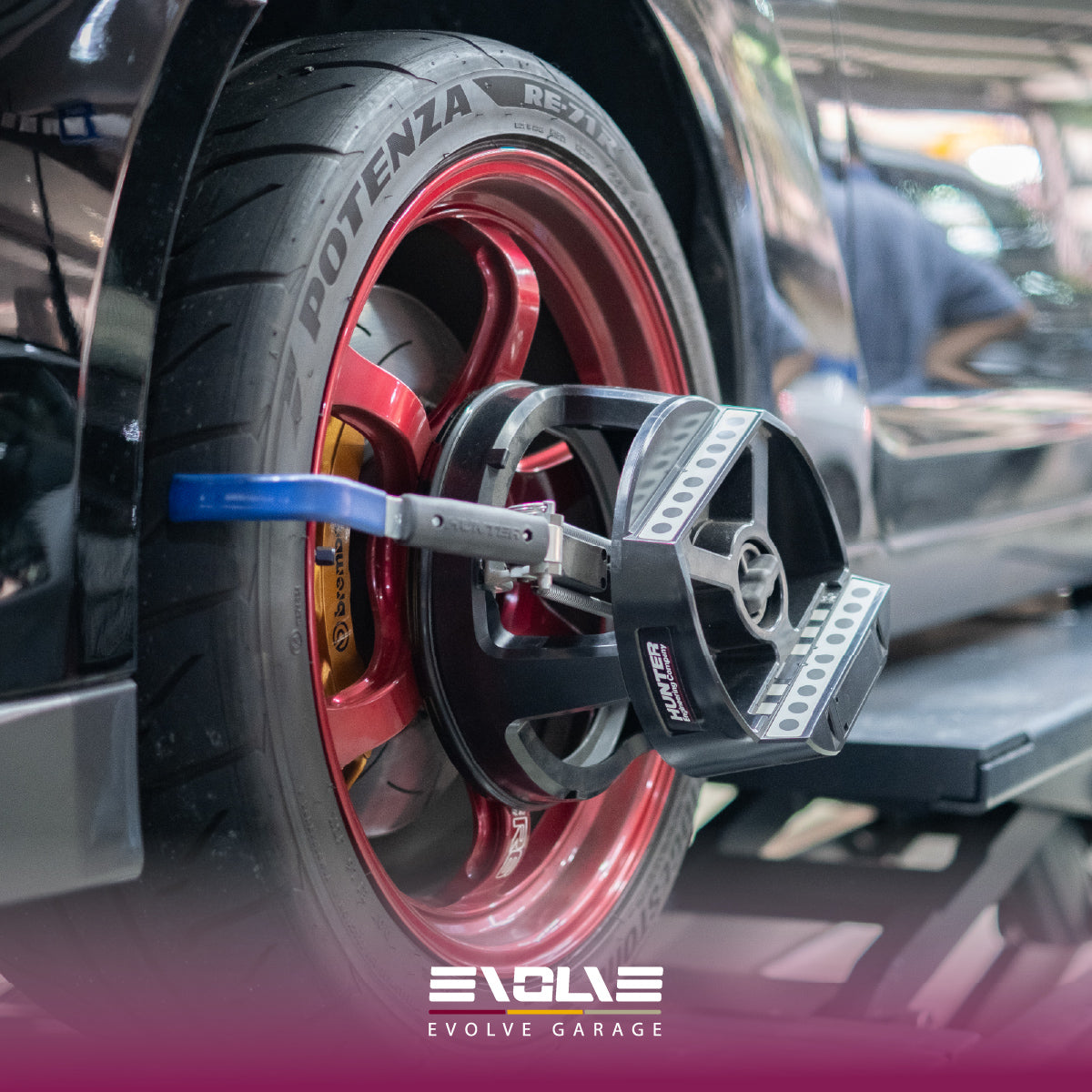
Wheels: Inspect rims for deformation, loose bolts, and alignment.
-
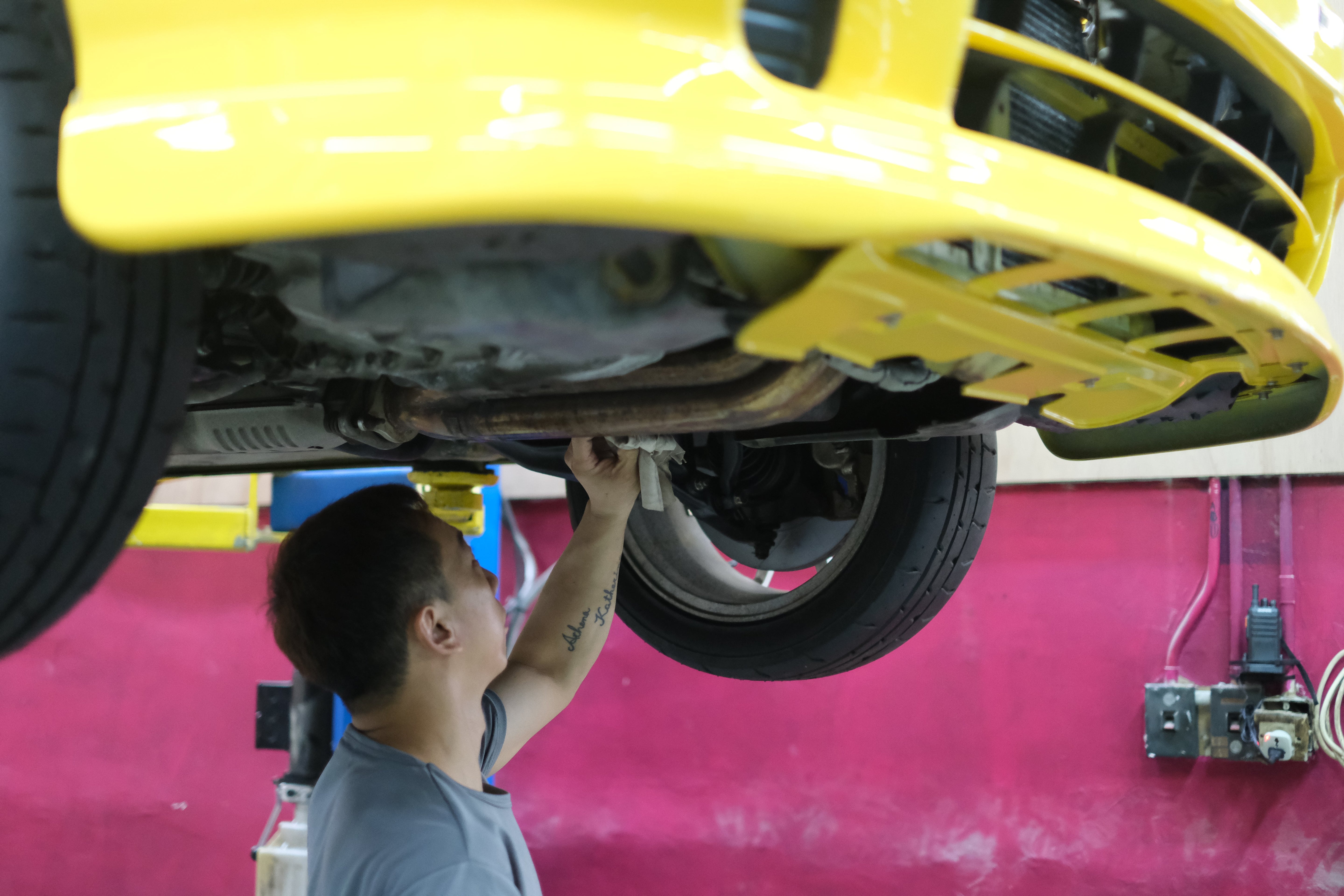
Chassis: Check for collision damage, rust holes, or oil leaks.
-
Braking system: Test foot and hand brakes, inspect discs and pads for wear.
-
Front & rear suspension: Check for oil leaks, broken springs, and vehicle stability.
-
Transmission system: Inspect gearbox, clutch, and drive shafts for smooth operation.
-
Exhaust emissions: Measure CO and hydrocarbon pollutants.
-
Exhaust system: Check for leaks, rust, or blockages.
-
Fuel tank & lines: Check for leaks and proper function of cut-off devices.
-
Electrical system & lights: Test battery, alternator, fuses, and inspect all lights for proper brightness and alignment.
Documents Required for Inspection
-
Vehicle Registration Document: Confirms the legal registration and ownership of the car; contains license plate, owner info, vehicle model, and registration date. Bring the original.
-
Inspection Appointment Confirmation: Shows your scheduled date, time, and inspection center. Confirm the day before and arrive on time.
-
Other Possible Documents:
-
Identity proof of owner or authorized representative (ID card or passport)
-
Valid vehicle insurance
-
Last inspection certificate (if applicable)
-
Having all documents ready ensures a smooth process and avoids having to reschedule.
Tip: The most convenient way is to use our one-stop service: we handle your car inspection, oil change, and more in a single visit—hassle-free!